
Best time to visit Washington, DC
Washington, DC is a year-round city, but the season you pick shapes the trip more than most travelers expect. For the best balance of weather, crowds, and hotel prices, aim for late April through May or September through October: warm days, cool evenings, and the city at its most walkable.
The famous exception is cherry blossom season, roughly late March to early April around the Tidal Basin. It is genuinely spectacular — and genuinely the most crowded, most expensive fortnight of the DC year. If blossoms are the point of your trip, book hotels 3–4 months ahead and build your days around early mornings. Summer (June–August) brings heat, humidity, and school-group crowds, but also the longest days and the liveliest waterfront. Winter (December–February) is the bargain window: the cheapest hotels of the year, short museum lines, and the monuments crowd-free — just pack for cold wind off the Potomac.
Tip: Check the festival calendar before you lock dates. The National Cherry Blossom Festival, the Smithsonian Folklife Festival (late June–early July), and big event weekends can double hotel rates overnight. Read the full best-time-to-visit guide for a month-by-month breakdown.
Getting to Washington, DC: DCA vs IAD vs BWI
DC is served by three airports, and picking the right one saves you real time and money. Here is how they compare for a first-time visitor:
| Airport | Distance to downtown | Best transit option | Time & cost | Best for |
|---|---|---|---|---|
| DCA — Reagan National | 4 miles | Metro Blue/Yellow Line | 15–20 min, $2–$3 | Most visitors — closest and cheapest to reach |
| IAD — Dulles International | 26 miles | Metro Silver Line | 60–70 min, up to $7 | International flights, some domestic deals |
| BWI — Baltimore/Washington | 32 miles | MARC train to Union Station | ~30 min, $8 | Cheapest fares (Southwest hub) |
DCA (Reagan National) is the default right answer: its own Metro station drops you at the National Mall in about 15 minutes. IAD (Dulles) is the international gateway; the Silver Line reaches it directly but plan on over an hour. BWI often wins on airfare — take the free shuttle to the BWI rail station, then the MARC Penn Line ($8) to Union Station in about 30 minutes.
Tip: If you are arriving by train instead, Amtrak serves Union Station, one of America's great rail halls and a sight in its own right — 20 minutes on foot from the Capitol.
Prefer video? Watch the full comparison on our YouTube channel: DCA vs IAD vs BWI airport guide, or read the detailed airport-to-downtown guide.
Getting around DC: the Metro & beyond
DC is built for visitors who walk and ride. The Metro runs six color-coded lines (Red, Blue, Orange, Silver, Green, Yellow) covering the Mall, the museums, the ballpark, and most neighborhoods you will visit. Fares run $2–$7 depending on distance and whether you ride at peak hours (weekday mornings and evenings).
Get a SmarTrip card ($2 at any station machine or on your phone) and load fare — it also works on Metrobus. Trains run roughly 5am to midnight on weekdays and 7am to midnight on weekends, so plan evening outings accordingly. Tip: Stand right, walk left on escalators — it is the one unwritten rule locals actually care about.
Beyond the Metro: downtown DC is compact and flat, so most visitors walk 8–10 miles a day without noticing. Metrobus fills the gaps the trains miss (the Circulator-style downtown routes are handy), Capital Bikeshare is excellent for the Mall and the waterfront, and rideshares are plentiful but slow in rush-hour traffic. Skip the rental car — you will pay $40–$60 a night to park it and never use it.
Read the full Washington DC Metro guide for line-by-line detail, fare hacks, and station tips.
Where to stay in Washington, DC
Your hotel shapes your whole DC trip — but in this city, the neighborhood matters more than the star rating. Nearly everything you came to see sits on or near the National Mall, and it is all free. So the smartest choice is not the room with the monument view — you will see the monuments on foot every day — but the room within a short walk of a Metro station.
Quick neighborhood picks: Downtown & Penn Quarter for first-timers who want to walk everywhere; Capitol Hill for quiet streets near the Mall; Georgetown for romance and shopping (no Metro, but lovely); The Wharf and Navy Yard for waterfront evenings; Dupont Circle for cafés and galleries; and Old Town Alexandria, VA for the best value — typically $50–$100 less per night, 20–30 minutes by Metro.
Tip: Expect roughly $150–$220 a night for budget hotels, $220–$350 mid-range, and $450+ for true luxury — with 30–50% spikes during cherry blossom season and big event weekends, and the best deals in January, February, and late August.
We may earn a commission if you book through this link — at no extra cost to you.
Read the full where-to-stay guide for all nine neighborhoods compared, with honest price ranges.
Top things to do in Washington, DC
DC rewards a simple strategy: one big sight per half-day, grouped by geography. These are the experiences no first trip should miss.
The National Mall & its memorials
The two-mile walk from the U.S. Capitol to the Lincoln Memorial is the single greatest free walk in America. The Lincoln Memorial, the Washington Monument grounds, the World War II Memorial, the Vietnam Veterans Memorial, and the Korean War Veterans Memorial are open 24 hours and all free. Go once at sunrise for empty paths and once after dark — the monuments floodlit at night, with the crowds gone, is the DC moment people remember for years.
Washington Monument
The 555-foot obelisk is the centerpiece of the skyline, and the view from the top — the Mall laid out below you in both directions — is worth the planning. Book timed-entry tickets at recreation.gov: a $1 reservation fee per ticket, released in batches that sell out fast in peak season. Watch our Washington Monument video guide for exactly how the ticketing works.
U.S. Capitol
Free guided tours of the Capitol run through the Capitol Visitor Center — reserve online in advance, especially in spring and summer. The Rotunda, National Statuary Hall, and the Crypt are genuinely moving, and the tour is one of the best free guided experiences in the country. Tip: Pair it with the Library of Congress next door (also free; the Reading Room overlook and the Gutenberg Bible are highlights).
The White House
You can tour the White House — but only by requesting through your congressional representative 21 days to 3 months in advance. Tours are free and self-guided on select weekday mornings. No luck with tickets? The view from the Ellipse and Lafayette Square still delivers, and the White House Visitor Center nearby is worth 30 minutes.
Tidal Basin & the Jefferson Memorial
The prettiest loop in the city: a two-mile stroll around the Tidal Basin past the Jefferson Memorial, the FDR Memorial, and the Martin Luther King, Jr. Memorial. In cherry blossom season it is the most photographed spot in DC; the rest of the year it is a peaceful escape ten minutes from the Mall crowds.
The Smithsonian museums (all free)
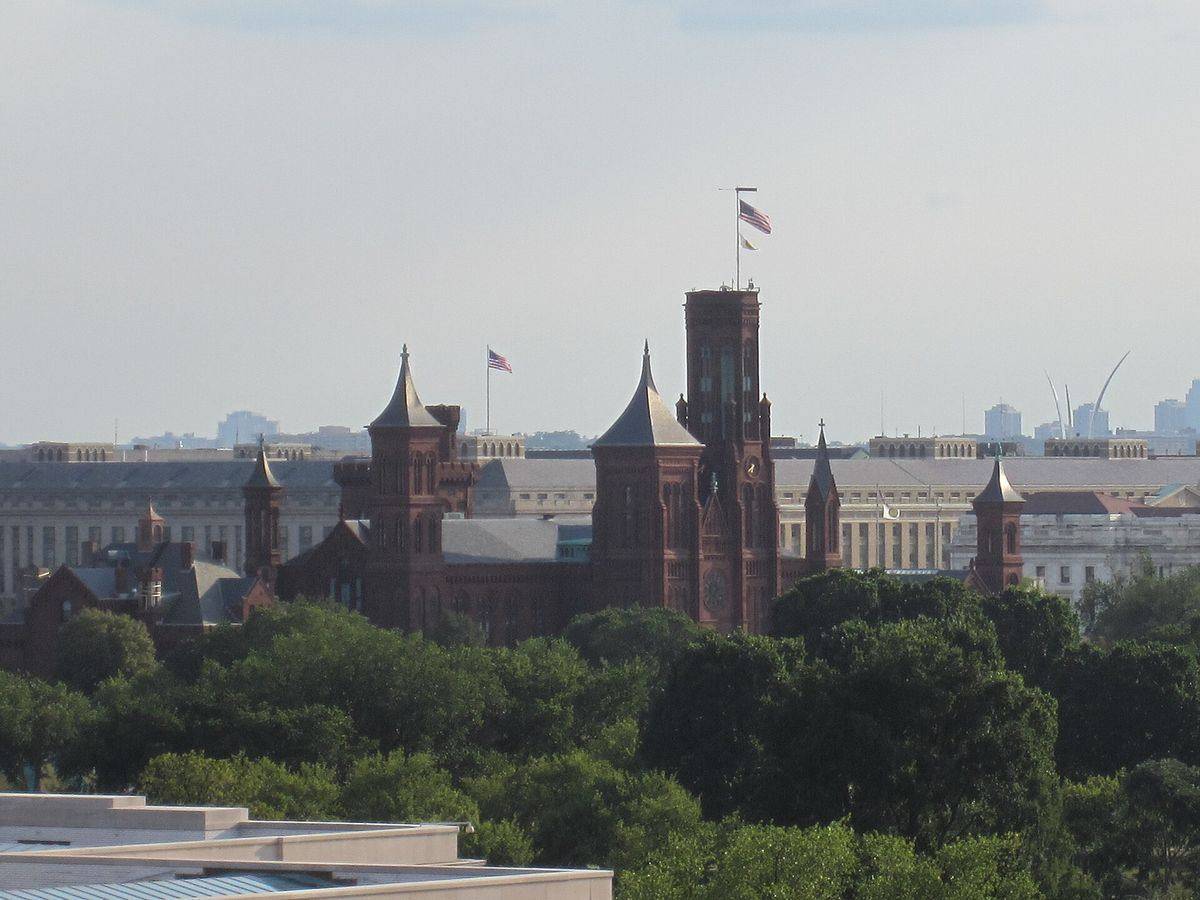
The Smithsonian runs 19 museums and galleries in Washington, DC — and admission to every one is free, every day. That alone makes DC one of the great value city breaks in the world. The realistic maximum is one museum per half-day; two a day is the ceiling before fatigue wins.
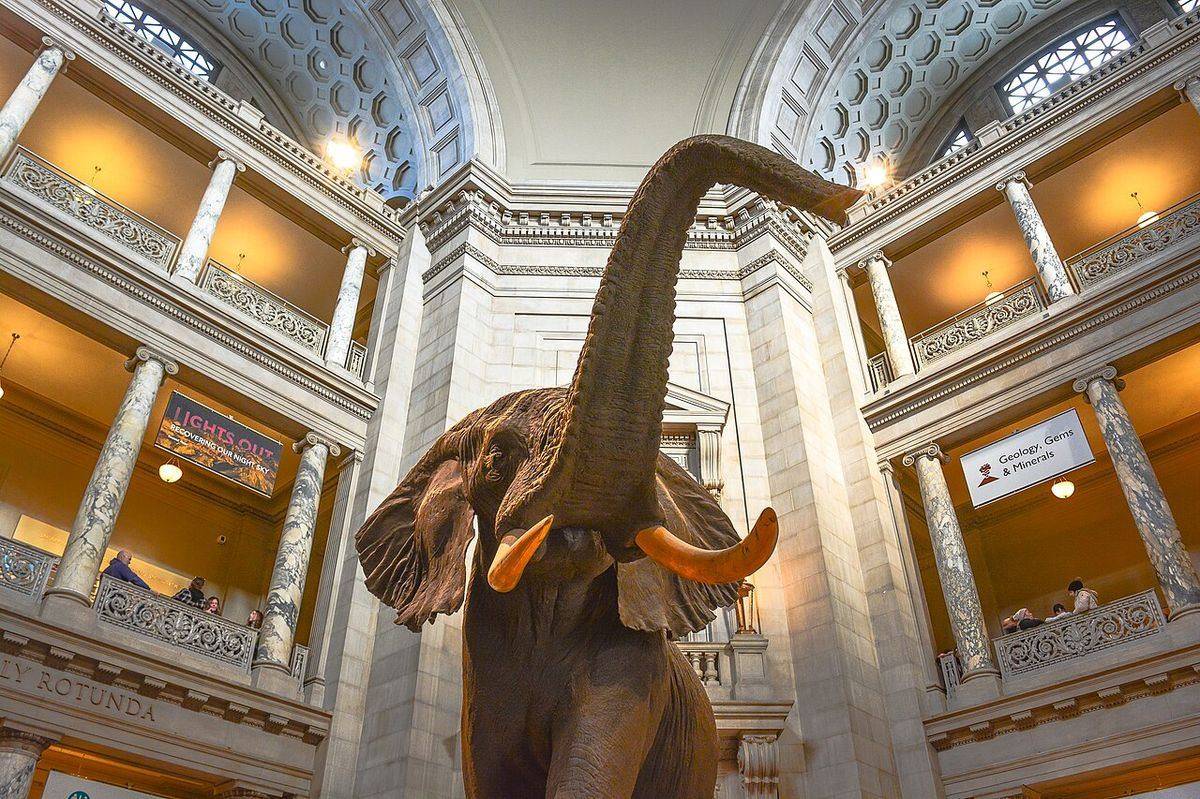
Start with the heavy hitters: the National Museum of American History (the Star-Spangled Banner, the First Ladies' gowns), the National Museum of Natural History (the Hope Diamond, the elephant rotunda), and the National Air and Space Museum (the Wright Flyer, Apollo 11 artifacts). Then pick by interest: the National Gallery of Art for European masters, the National Museum of African American History and Culture for the essential American story, and the National Zoo for the pandas.
Tip: The Air and Space Museum and the African American History and Culture Museum require free timed-entry passes booked online in advance — reserve the moment your dates are firm. Read the full Smithsonian museums guide for how to choose and how to plan each visit.
DC itineraries: 1, 2 & 3 days
One day: Walk the Mall end to end (Capitol to Lincoln), pick one Smithsonian, and return to the memorials after dark. Two days: Add the Capitol tour, the Library of Congress, a second museum, and an evening in Georgetown or the Wharf. Three days — the ideal first trip — adds a neighborhood day (Georgetown, U Street, or Eastern Market on Capitol Hill), a third museum, and breathing room.
What & where to eat in DC
DC's food scene punches well above its reputation — this is one of America's great Ethiopian food cities, the home of the half-smoke at Ben's Chili Bowl, and a serious fine-dining town (it holds its own Michelin guide). Practical strategy: eat your big meal at lunch near the Mall — museum cafés are overpriced, but the National Museum of the American Indian's Mitsitam Café is the beloved exception — then head to the neighborhoods for dinner.
Neighborhood picks: Georgetown for classic date-night rooms, U Street for Ethiopian and nightlife, the Wharf for waterfront seafood, Union Market for casual grazing, and Eastern Market on Capitol Hill for weekend brunch. Tip: Make dinner reservations for Friday and Saturday nights — walk-ins at popular spots are a gamble. Read the full where-to-eat guide.
Free things to do in Washington, DC
DC might be America's best free city break. Beyond the Smithsonians and memorials: the National Zoo (pandas included, free), the National Gallery of Art and its sculpture garden, the Library of Congress, Ford's Theatre (free daytime visits; museum tickets via recreation.gov), Rock Creek Park for a nature break, and the National Archives — where the Declaration of Independence, the Constitution, and the Bill of Rights sit under glass, free to see.
Read the 10 best free things to do in DC for the full list with practical tips.
Best day trips from Washington, DC
With an extra day, DC's surroundings are outstanding. Mount Vernon — George Washington's estate on the Potomac, 40 minutes south — is the classic half-day trip. Old Town Alexandria (20 minutes by Metro) packs cobblestone streets, waterfront dining, and colonial history into an easy afternoon. Arlington National Cemetery, just across the river, is one of the most moving places in America — watch our Arlington National Cemetery video guide before you go, including the Changing of the Guard at the Tomb of the Unknown Soldier.
Further afield: Gettysburg (90 minutes, the battlefield that changed the Civil War), Annapolis (sailing capital, 45 minutes), and Shenandoah National Park (Skyline Drive, 90 minutes — this one wants a car). Read the full day-trips guide for how to get to each one without a car where possible.
How much does a DC trip cost?
The honest answer: less than you think, because the sightseeing is free. For a 3-day trip per person, excluding flights: a budget traveler spends roughly $450–$650 (budget hotel, Metro, casual food, free sights), mid-range runs $900–$1,400 (mid-range hotel, a nice dinner or two, a paid tour), and luxury starts around $2,000+ (four-star hotel, fine dining, private tours).
The levers that move the number: hotel season (cherry blossom and event weekends spike 30–50%), whether you pay for parking or a rental car (don't), and how many paid experiences you add (most visitors add very few, because the free ones are the best ones). Read the full DC trip cost breakdown for three complete 3-day budgets.
Is Washington, DC safe for visitors?
The areas visitors spend time in — the National Mall, the museum corridors, Georgetown, the Wharf, Navy Yard, Dupont Circle — are well-patrolled and heavily trafficked, day and night. The monuments are open 24 hours under U.S. Park Police patrol, and evening visits are a normal, popular part of a DC trip.
Use normal big-city awareness: keep valuables close on crowded Metro cars, stay on lit paths late at night, and know that some neighborhoods well off the tourist path are best visited with a local's guidance. Read the full safety guide for neighborhood-by-neighborhood detail and late-night transit tips.
Best views & photo spots
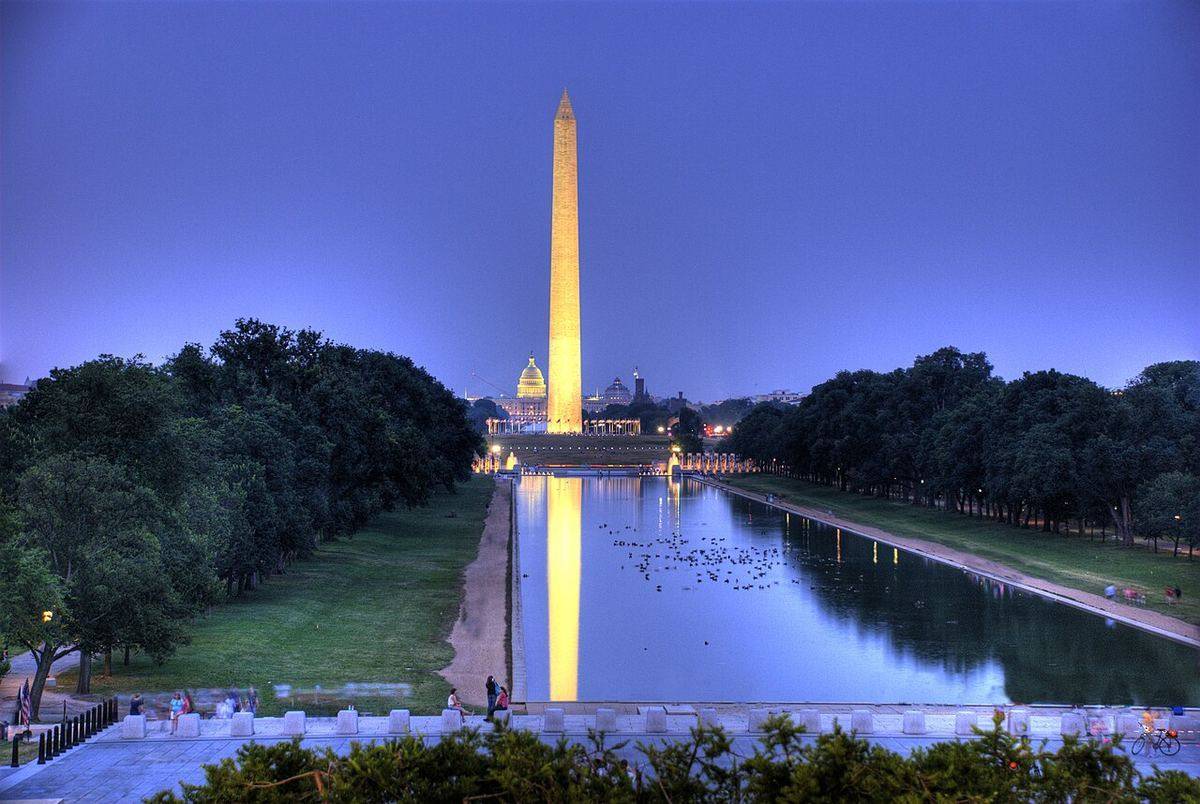
DC's height limit means the skyline belongs to the monuments — and the viewpoints are nearly all free. Don't miss: the Lincoln Memorial steps at sunrise, the Washington Monument at night reflected in the Reflecting Pool, the Old Post Office Tower (free observation deck, clock tower, fewer crowds than the Monument), the Kennedy Center rooftop terrace (free, panoramic river views), and the Netherlands Carillon next to Arlington for the classic Mall panorama.
Tip: The monuments after dark are the city's best free show — plan at least one evening around the Lincoln, Vietnam Veterans, and Korean War memorials loop. Read the 15 best views & viewpoints guide.
Tours worth booking
DC is a great DIY city, but two tours are genuinely worth paying for: a guided overview on day one (it orients everything that follows) and the monuments-by-night tour (the memorials after dark, with a guide's stories, beats wandering alone). Book the night tour for your first or second evening — it resets how you see the city.
Night Tour: Illuminated Memorials
Book this tourHalf-Day Small-Group City Tour
Book this tourWe may earn a commission if you book through these links — at no extra cost to you.
Washington DC travel guide: frequently asked questions
How many days do you need in Washington, DC?
Three to four full days is the sweet spot for a first trip. Three days covers the National Mall monuments, two or three Smithsonian museums, the Capitol, and one neighborhood evening. A fourth day fits a day trip — Mount Vernon or Alexandria — or a deeper museum day. One or two days works if you stick to the Mall and pick a single museum.
Is Washington, DC expensive to visit?
Less than most big American cities, because the best things are free: all Smithsonian museums, the monuments and memorials, the National Zoo, and the National Gallery of Art cost nothing. Hotels are the biggest expense — roughly $150–$220 a night budget, $220–$350 mid-range, $450+ luxury, with big seasonal swings.
Do I need a car in Washington, DC?
No. The Metro, abundant buses, and a walkable downtown make a car unnecessary — and an expensive one, since downtown hotel parking runs $40–$60 a night. Skip the rental unless you are planning day trips to Shenandoah or Gettysburg.
What is the best month to visit Washington, DC?
Late April–May and September–October offer the best balance of pleasant weather, manageable crowds, and fair hotel prices. Late March–early April brings the cherry blossoms — beautiful, but the most crowded and expensive weeks of the year. Winter is the cheapest time to visit.
Are the Smithsonian museums really free?
Yes — admission to every Smithsonian museum and the National Zoo is completely free, every day. The National Air and Space Museum and the National Museum of African American History and Culture require free timed-entry passes booked online in advance, but there is still no admission charge.
Which Washington, DC airport should I fly into?
Reagan National (DCA) for most visitors: 4 miles from downtown, 15–20 minutes on the Metro Blue/Yellow Line for $2–$3. Dulles (IAD) handles most international flights (Silver Line, 60–70 minutes). BWI often has the cheapest fares, with the $8 MARC train to Union Station in about 30 minutes.
How do I get tickets for the Washington Monument?
Book timed-entry tickets at recreation.gov — a $1 reservation fee per ticket, released in batches that sell out fast in peak season. Book as soon as your dates are firm; a small number of same-day tickets are released each morning.
Can you go inside the White House?
Yes, but you must request a tour through your congressional representative 21 days to 3 months in advance — there is no public ticket window. Tours are free and self-guided on select weekday mornings. International visitors arrange tours through their embassy.
Is the National Mall safe at night?
Yes — the Mall and memorials are open 24 hours, well-lit, and patrolled by U.S. Park Police. Evening visits are popular and generally safe; the floodlit monuments are one of DC's best experiences. Stay on lit paths and use normal city awareness late at night.
What is the best way to get around Washington, DC?
Walk plus the Metro. The six-line Metro covers the Mall, museums, and most neighborhoods, with fares from $2 to $7. Get a SmarTrip card ($2) and load fare. Downtown is compact — many visitors walk 8–10 miles a day without noticing.
Prefer video? Watch the DC guides on our YouTube channel — including DCA vs IAD vs BWI: Which DC Airport Should You Fly Into?, Washington Monument guide, and Arlington National Cemetery.
Hero photo: Washington Monument aerial via Wikimedia Commons (public domain). In-article photos via Wikimedia Commons.